

In a move that has triggered widespread international condemnation, the Taliban regime in Afghanistan has formalised a new penal code that critics argue effectively permits domestic violence under specific conditions. The development has drawn sharp reactions from public figures and human rights advocates, who describe the provisions as deeply regressive and dangerous for women and children.
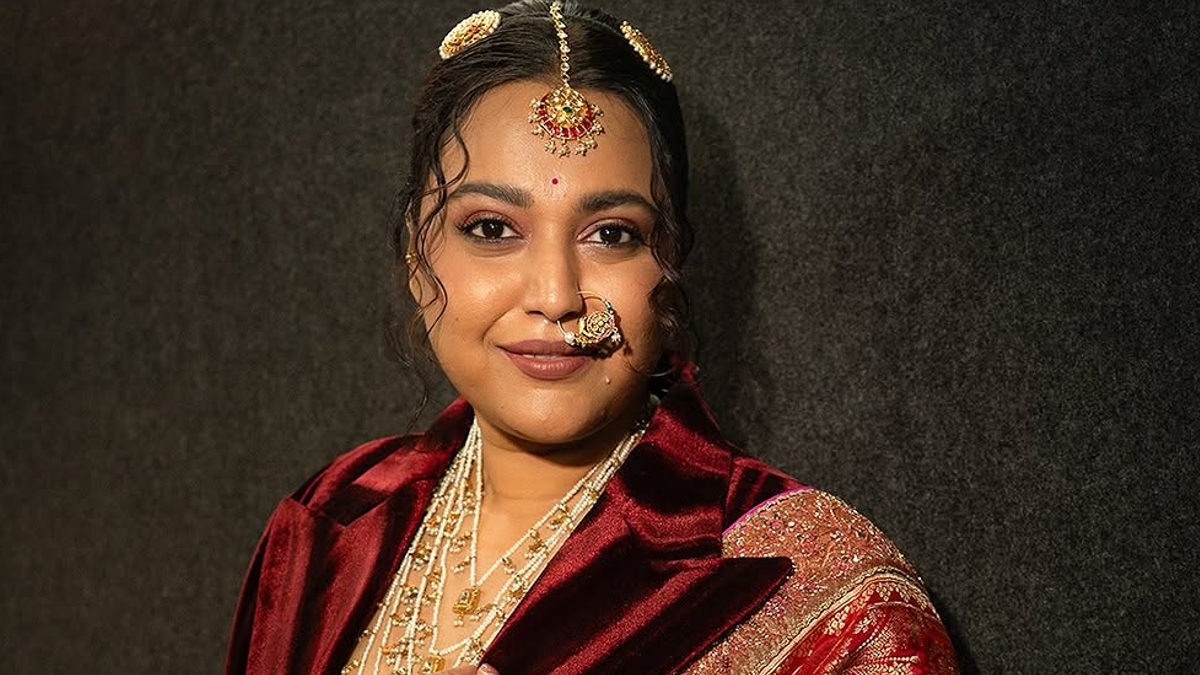
Among those who voiced strong opposition is actor Swara Bhasker. On February 20, she shared media reports detailing the newly introduced legislation and expressed her outrage in a series of social media posts. Reacting to the reported provisions, she condemned the Taliban in scathing terms, calling the development an affront to humanity and sharply criticising the group’s interpretation of religion. Her comments quickly gained traction online, reflecting the anger and disbelief many felt over the reported changes.
Actor and host Gauahar Khan also reacted to the reports, describing the move as “disgusting.” Meanwhile, actor Nandish Sandhu questioned the rationale behind such a law, asking what logic could justify such provisions. Their responses echoed a broader global backlash that followed news of the penal code’s adoption.
The 90-page penal code was reportedly signed by the Taliban’s supreme leader, Hibatullah Akhundzada. According to multiple reports, the document consolidates a range of restrictive measures introduced since the Taliban regained control of Afghanistan. Human rights organisations have expressed grave concern that the new code further entrenches systemic discrimination and curtails basic protections for women.
As reported, the legislation allows husbands to physically discipline their wives and children, provided the punishment does not result in broken bones or open wounds. Critics argue that such language effectively legalises domestic violence by setting a threshold that tolerates physical harm short of severe visible injury. Human rights advocates warn that this framework normalises abuse and makes accountability significantly more difficult.
The penal code reportedly does not explicitly criminalise psychological or sexual violence. Instead, it sets a maximum punishment of 15 days’ imprisonment for abuse, and only in cases described as involving “obscene force,” such as visible fractures or serious injuries. Even then, a conviction requires the wife to present proof of injury before a judge — a requirement that activists say places an unrealistic and dangerous burden on survivors.
Further reported provisions impose strict limitations on women’s mobility and legal recourse. Women appearing in court must be fully covered and accompanied by a husband or male guardian — even in cases where the husband himself is the accused. Observers argue that this requirement creates a fundamental conflict of interest and severely undermines a woman’s ability to seek justice independently.
Reports also indicate that a married woman may face up to three months’ imprisonment for visiting relatives without her husband’s permission, even if she is attempting to escape abuse. Critics contend that such rules effectively trap women in potentially violent households and criminalise attempts to seek safety or support.
In addition, the legislation reportedly distinguishes between individuals classified as free and those considered slaves, raising alarm about embedded inequality within the justice system. Rights groups say that these distinctions further erode legal protections and reinforce discriminatory hierarchies.
Since the Taliban’s return to power, women’s rights in Afghanistan have steadily deteriorated, with restrictions placed on education, employment and public participation. The new penal code is seen by many as part of a broader pattern of institutionalised control over women’s lives.
As international criticism mounts, activists and public figures continue to call for global pressure and solidarity with Afghan women. For many observers, the newly formalised code represents not only a legal shift but a profound setback in the struggle for gender equality and human rights in the region.